 BestFreshDogPlans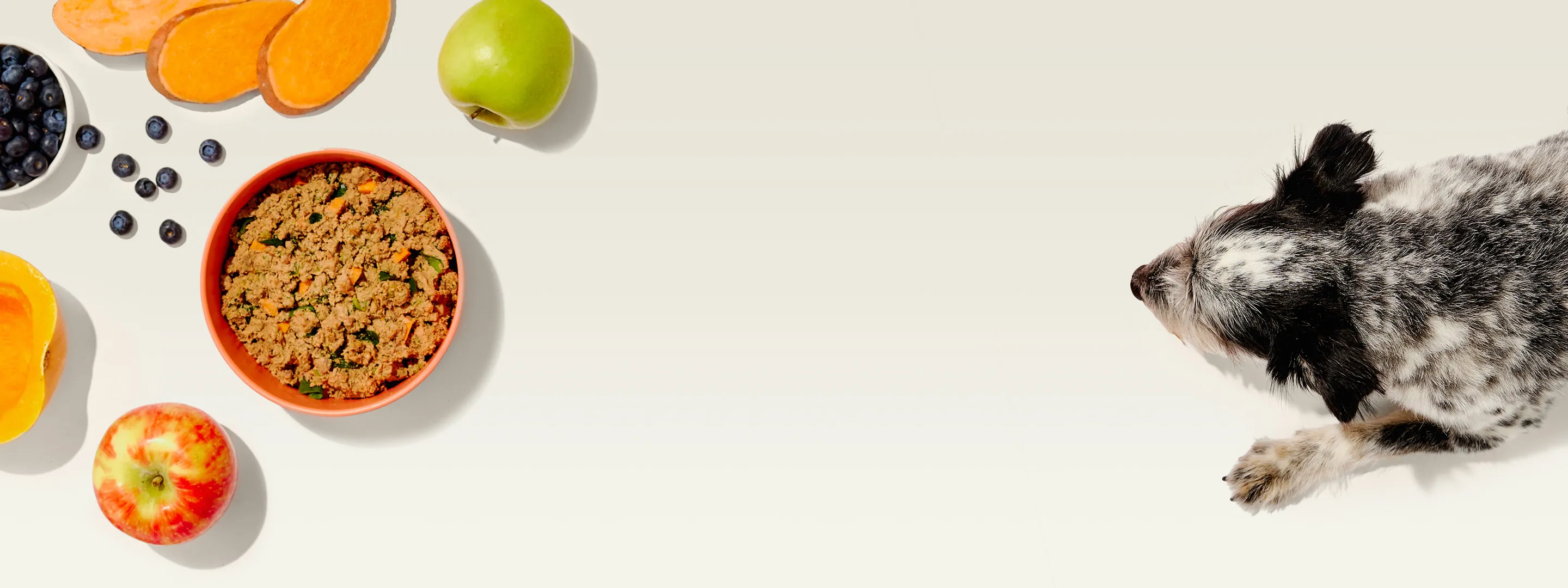
1. The Rise of Alternative Canine Diets
For decades, heavily processed dry kibble was the undisputed king of the dog food aisle. However, as pet parents become increasingly educated about canine nutrition, there has been a massive paradigm shift toward fresh, whole-food diets.
This movement stems from a desire to provide dogs with meals that more closely resemble what their wild ancestors might have eaten, or simply to offer food made from recognizable, human-grade ingredients rather than mysterious rendered meat meals.
As a result, two primary alternative diets have emerged as frontrunners:
- The Raw Food Diet (often called BARF - Biologically Appropriate Raw Food).
- The Gently Cooked Fresh Food Diet.
Both options offer significant improvements over highly processed kibble, but they represent entirely different approaches to canine nutrition, food safety, and preparation.
2. What Exactly is a Raw Dog Food Diet?
A raw dog food diet is exactly what it sounds like: meals composed entirely of uncooked ingredients. Advocates of this diet aim to mimic the evolutionary diet of wild wolves, arguing that a dog’s digestive system is perfectly designed to process raw meat, bone, and organs.
A typical raw diet consists of several key components:
- Muscle meat (often still on the bone).
- Whole or ground bones for calcium and dental health.
- Organ meats (like liver and kidneys) for essential vitamins.
- Small amounts of raw vegetables, fruits, and dog-safe dairy or eggs.
Raw feeding can be done in two ways: preparing the meals entirely from scratch at home (which requires extensive nutritional knowledge), or purchasing commercially prepared frozen raw patties or freeze-dried nuggets.
3. The Purported Benefits of Raw Feeding
Proponents of raw feeding are incredibly passionate about the positive changes they observe in their dogs. Many raw feeders report dramatic health transformations shortly after transitioning away from commercial kibble.
The most commonly cited benefits of a raw diet include:
- Healthier Skin and Coat: A noticeable increase in coat shine and a drastic reduction in allergy-related itching or hot spots, thanks to high levels of natural, unoxidized fats.
- Cleaner Teeth: Chewing on raw, meaty bones provides intense mechanical abrasion that naturally scrapes away plaque and tartar, leading to better breath and dental health.
- Smaller Stools: Because raw food contains virtually no fillers or indigestible carbohydrates, dogs absorb more of the food, resulting in significantly smaller and firmer stools.
- Increased Energy: Many owners report their dogs have higher stamina and more stable energy levels throughout the day.
While scientific studies on these benefits are still limited, anecdotal evidence from the raw feeding community is vast and overwhelmingly positive.
4. The Hidden Risks and Dangers of Raw Food
Despite the enthusiastic claims of its supporters, the raw food diet is highly controversial within the veterinary community. The primary concern among veterinarians and the FDA is not necessarily the nutritional profile, but rather food safety.
The risks associated with feeding raw meat are significant:
- Bacterial Contamination: Raw meat frequently carries dangerous pathogens like Salmonella, E. coli, and Listeria. While dogs have robust stomach acid, they can still fall ill from high bacterial loads.
- Human Health Risks: The biggest risk is often to the human family members preparing the food or interacting with the dog (via saliva or feces), especially children, the elderly, or immunocompromised individuals.
- Nutritional Imbalance: DIY raw diets formulated without the guidance of a veterinary nutritionist are notoriously unbalanced. A lack of proper calcium-to-phosphorus ratios can lead to severe skeletal issues, particularly in growing puppies.
- Bone Hazards: While raw bones are softer than cooked bones, they still pose a risk of choking, broken teeth, or internal blockages.
These risks prompt many major veterinary organizations (such as the AVMA) to officially advise against feeding raw diets to domestic pets.
5. What is Gently Cooked Fresh Dog Food?
Gently cooked fresh dog food has emerged as the perfect middle ground for pet parents who want the incredible health benefits of whole ingredients without the safety risks associated with raw meat.
These diets are prepared much like a healthy home-cooked meal for a human. The process involves:
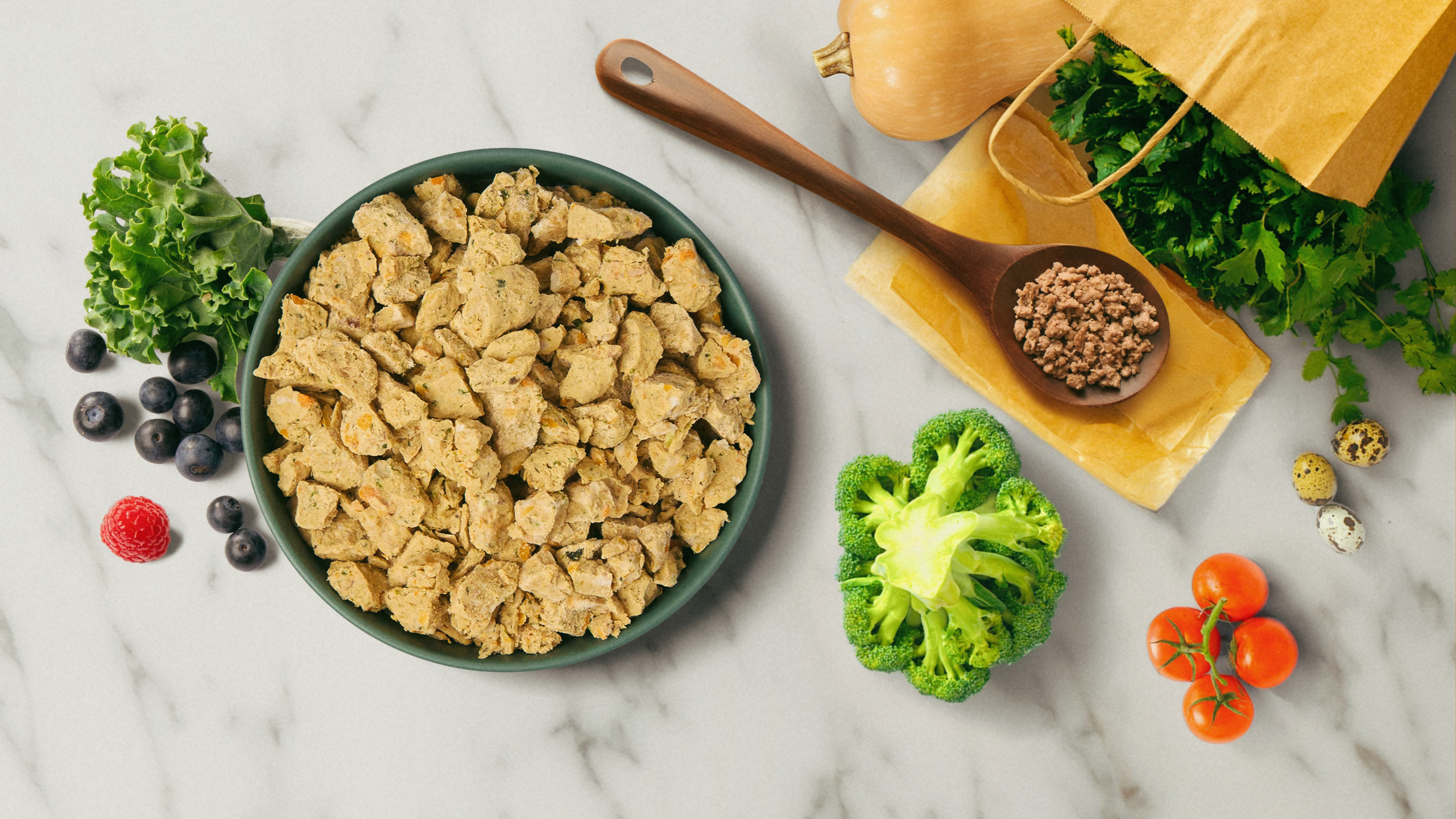
- Using 100% human-grade muscle meat, organs, vegetables, and starches.
- Cooking the ingredients at low temperatures to kill harmful pathogens while preserving the delicate nutritional integrity of the food.
- Flash-freezing the meals immediately after cooking to lock in freshness without the need for artificial preservatives.
Commercially prepared fresh food (like Ollie or The Farmer’s Dog) is formulated by veterinary nutritionists to ensure it meets AAFCO standards for a complete and balanced diet, removing all the guesswork for the owner.
6. The Nutritional Advantages of Cooking
There is a common misconception that cooking destroys all the nutrients in food. While the high-heat, high-pressure extrusion process used to make kibble certainly degrades vitamins and proteins, gentle cooking actually has distinct nutritional advantages.
Cooking certain ingredients makes them significantly easier for a dog to digest and absorb. The benefits include:
- Increased Bioavailability: Lightly cooking vegetables breaks down their tough cellulose cell walls, allowing dogs (who lack the necessary enzymes to break down raw plant matter efficiently) to absorb the vitamins and minerals inside.
- Protein Denaturation: Cooking meat denatures the proteins just enough to make them more accessible to the dog’s digestive enzymes.
- Safe Starches: If complex carbohydrates like sweet potatoes or rice are included, they must be cooked for a dog to digest them properly. Raw starches can cause severe gastrointestinal distress.
By utilizing precise, low-temperature cooking methods, fresh food companies preserve natural vitamins and amino acids while maximizing digestibility.
7. Digestibility: Raw vs. Cooked Ingredients
When evaluating any diet, digestibility is a crucial metric. It doesn’t matter how nutrient-dense a food is if the dog’s body cannot extract and absorb those nutrients during the digestive process.
Both raw and gently cooked fresh foods boast incredibly high digestibility rates-often upwards of 85% to 90%-especially when compared to the 70% to 80% average of standard commercial kibble.
- Raw Meat: Highly digestible for dogs, as their short digestive tracts are designed to process raw animal protein quickly.
- Cooked Meat: Also exceptionally digestible, and often gentler on dogs with sensitive stomachs or compromised immune systems.
- Plant Matter: This is where cooked food wins. Lightly steamed vegetables are vastly more digestible for dogs than raw, pureed vegetables.
Ultimately, both diets produce significantly less waste than kibble, meaning fewer and smaller poops to pick up in the backyard.
8. Food Safety and Bacterial Contamination
The starkest difference between raw and gently cooked diets lies in food safety and handling protocols. This single factor is often the deciding element for pet parents choosing between the two options.
With a Gently Cooked Diet:
- The cooking process effectively eliminates pathogens like Salmonella and E. coli.
- The food is perfectly safe to handle in your kitchen, requiring only standard food safety practices (like washing your hands after feeding).
- It is safe for households with young children, pregnant women, or immunocompromised individuals.
With a Raw Diet:
- You must treat the food as a biohazard. This requires meticulous sanitization of bowls, countertops, utensils, and your hands after every single meal.
- There is a persistent risk of cross-contamination in your refrigerator.
- Dogs eating raw food can shed dangerous bacteria in their feces and saliva, creating an invisible risk in the home environment.
For those who prioritize absolute safety and peace of mind, gently cooked food is the clear winner.
9. Convenience, Cost, and Storage Considerations
Switching away from kibble requires an adjustment in both your budget and your daily routine. Both raw and fresh cooked diets are premium options that cost significantly more than dry food.
Storage: Both diets require substantial freezer space. You must remember to move meals from the freezer to the refrigerator 24 hours before feeding to allow them to thaw safely. Preparation:
- Commercial gently cooked meals come pre-portioned. You simply open the pack, squeeze it into the bowl, and serve.
- DIY raw feeding is incredibly time-consuming, requiring sourcing ingredients, precise weighing, and meal prep. Commercial raw patties are more convenient but remain messy to handle. Cost: High-quality commercial raw diets and fresh cooked subscriptions are comparable in price. Depending on the size of your dog, expect to pay anywhere from $3 to $10+ per day.
While neither option is as cheap or convenient as pouring kibble from a bag, the long-term savings in veterinary bills often offset the initial cost.
10. Transitioning Your Dog to a Fresh Diet
Whether you choose a raw diet or a gently cooked fresh diet, the transition process must be handled with care and patience. A dog’s digestive system becomes accustomed to processing dry kibble, and a sudden switch to rich, fresh food can cause intense gastrointestinal upset.
A successful transition generally takes 7 to 10 days. Follow this gradual schedule:
- Days 1-3: Feed 75% of the old kibble and 25% of the new fresh/raw food.
- Days 4-6: Feed a 50/50 mix of the old and new food.
- Days 7-9: Feed 25% of the old kibble and 75% of the new fresh/raw food.
- Day 10: Switch entirely to 100% of the new diet.
During this transition, monitor your dog’s stool closely. If they develop loose stools, pause the transition and maintain the current ratio until their digestive system settles before moving forward.
11. Conclusion: Making the Right Choice for Your Dog
The debate between raw and gently cooked fresh food is unlikely to be settled anytime soon, as both diets have passionate advocates and distinct advantages over highly processed commercial kibble.
If you are comfortable managing the rigorous safety protocols, have the time to source high-quality ingredients, and want a diet that mimics a dog’s ancestral eating habits, a raw diet might be the right fit. However, you must be hyper-vigilant about nutritional balance and bacterial contamination.
If you want the profound health benefits of real, whole-food ingredients-such as improved digestion, more energy, and a glowing coat-but prioritize safety, convenience, and guaranteed nutritional balance, gently cooked fresh food is undoubtedly the superior choice. It offers the best of both worlds, providing your dog with a premium culinary experience without the anxiety of raw meat hazards.