 BestFreshDogPlans
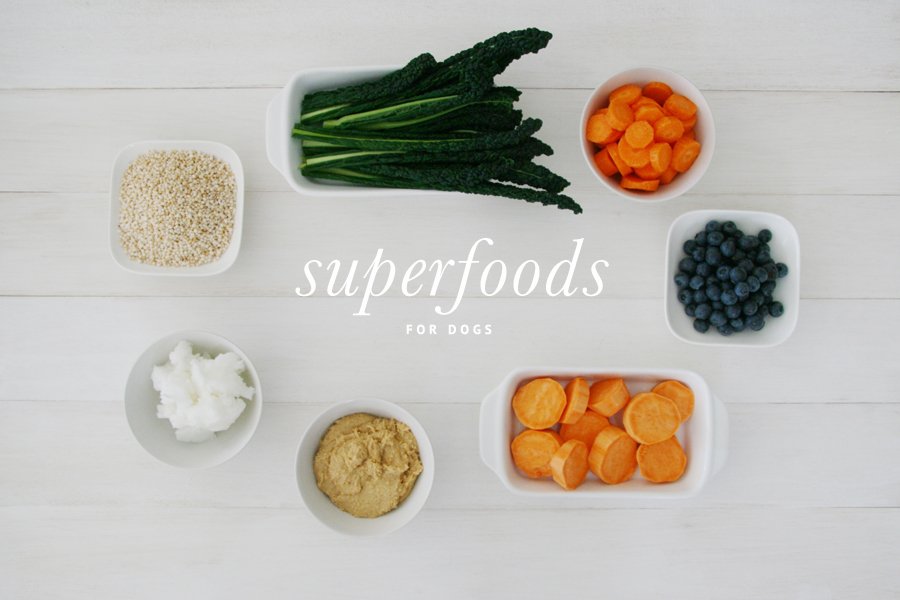
1. What Are Superfoods and Why Do Dogs Need Them?
In both human and canine nutrition, “superfoods” are naturally occurring ingredients packed with an exceptionally high concentration of essential vitamins, minerals, and antioxidants. These are not synthetic supplements, but whole foods that provide maximum nutritional benefits with minimal calories.
Adding superfoods to your dog’s regular meals-whether they eat kibble, canned, or fresh food-can provide a significant health boost. The benefits of integrating these nutrient-dense ingredients include:
- Strengthening the immune system to fight off illness.
- Improving the condition of the skin and coat.
- Reducing inflammation throughout the body.
- Enhancing cognitive function, particularly in senior dogs.
While high-quality commercial dog foods are formulated to meet basic nutritional requirements, they often lose vital phytonutrients during the high-heat extrusion process. Supplementing with fresh superfoods bridges this nutritional gap.
2. Blueberries: The Antioxidant Powerhouse
Blueberries are often considered the king of canine superfoods due to their incredibly high antioxidant content. These tiny fruits are loaded with anthocyanins, which are compounds that give them their deep blue color and provide powerful cellular protection.
The primary benefit of antioxidants is their ability to fight free radicals in the body. Free radicals cause oxidative stress, which contributes to aging, cellular damage, and chronic diseases like cancer. Feeding blueberries can help:
- Protect cells from oxidative damage.
- Improve cognitive function and memory in aging dogs.
- Support cardiovascular health.
Blueberries are also low in calories and high in dietary fiber and vitamin C. They make an excellent, guilt-free training treat, especially when frozen during the hot summer months.
3. Pumpkin: A Miracle Worker for Digestion
Plain, unsweetened canned pumpkin (not pumpkin pie filling) is a staple that every dog owner should keep in their pantry. It is an absolute miracle worker for regulating canine digestion and soothing upset stomachs.
Pumpkin is unique because it contains high amounts of both soluble and insoluble fiber. This dual-action fiber profile means it can treat two completely opposite digestive issues:
- Diarrhea: The soluble fiber absorbs excess water in the digestive tract, helping to firm up loose stools.
- Constipation: The high water and fiber content add bulk to the stool, stimulating bowel movements.
Additionally, pumpkin is rich in vitamin A, potassium, and iron. Adding a spoonful to your dog’s daily meal can keep their digestive system running smoothly.
4. Bone Broth: Joint Support and Hydration
Bone broth has surged in popularity as a health tonic for humans, and it offers equally impressive benefits for dogs. It is created by simmering animal bones and connective tissue for extended periods, usually up to 24 hours.
This slow-cooking process extracts a wealth of vital nutrients from the bones, making them highly bioavailable for your dog. The key components of high-quality bone broth include:
- Collagen: Essential for maintaining the elasticity of skin and repairing connective tissues.
- Glucosamine and Chondroitin: Natural compounds that reduce joint inflammation and support cartilage health.
- Amino Acids: Including glycine and proline, which aid in liver detox and gut healing.
Bone broth is also incredibly hydrating and highly palatable. Pouring a splash over dry kibble is a fantastic way to entice picky eaters or hydrate dogs recovering from illness.
5. Chia Seeds: Essential Omega-3 Fatty Acids
Chia seeds may be tiny, but they pack a massive nutritional punch. Unlike flaxseeds, which must be ground up for dogs to digest them properly, chia seeds can be easily digested whole, making them a highly convenient superfood.
These seeds are one of the best plant-based sources of Omega-3 fatty acids. Omega-3s are crucial for balancing the often high levels of Omega-6s found in commercial dog foods. The benefits of chia seeds include:
- Promoting a incredibly shiny, healthy coat and relieving itchy skin.
- Reducing systemic inflammation, which is beneficial for dogs with arthritis.
- Providing a steady source of energy due to their high protein and fiber content.
Because chia seeds absorb up to 10 times their weight in water, it is best to soak them in water or bone broth for a few minutes before adding them to your dog’s bowl to ensure proper hydration.
6. Carrots: Dental Health and Beta-Carotene
Carrots are a classic, affordable, and highly accessible superfood that most dogs naturally love due to their sweet flavor and satisfying crunch. They are an excellent low-calorie snack alternative to processed biscuits.
The most notable nutritional feature of carrots is their high concentration of beta-carotene, which the dog’s body converts into vitamin A. Vitamin A is essential for:
- Maintaining optimal eye health and vision.
- Supporting a strong immune system.
- Promoting healthy skin and coat development.
Furthermore, offering your dog raw, whole carrots (appropriately sized to prevent choking) can act as a natural toothbrush. The mechanical action of chewing the fibrous vegetable helps gently scrape plaque and tartar off their teeth.
7. Spinach: Iron, Vitamins, and Cellular Defense
Spinach is a leafy green vegetable that provides a dense concentration of vitamins, minerals, and antioxidants. It is an excellent addition to a fresh food diet or as a nutrient booster for kibble.
This superfood is particularly rich in iron, vitamin A, vitamin C, and vitamin K. These nutrients work synergistically to support various bodily functions:
- Vitamin K helps with proper blood clotting and bone health.
- Iron is vital for the production of red blood cells and oxygen transport.
- The antioxidants in spinach help defend the body against inflammatory diseases.
A word of caution: Spinach contains oxalates, which can inhibit calcium absorption and potentially contribute to kidney stones if fed in massive quantities. However, feeding small, steamed portions a few times a week is perfectly safe and highly beneficial for healthy dogs.
8. Sweet Potatoes: Complex Carbs and Dietary Fiber
Sweet potatoes are vastly superior to regular white potatoes when it comes to canine nutrition. They are a complex carbohydrate, meaning they break down slowly in the digestive tract, providing a steady release of energy rather than a sudden blood sugar spike.
They are widely used in high-quality commercial dog foods because they are generally well-tolerated by dogs with food allergies or sensitive stomachs. Key benefits include:
- High levels of dietary fiber to support a healthy gut microbiome.
- Abundant in vitamin B6, vitamin C, and manganese.
- Packed with beta-carotene, similar to carrots, for immune and vision support.
Always serve sweet potatoes cooked (steamed, baked, or boiled) and entirely unseasoned. Raw sweet potatoes are too difficult for dogs to digest and can cause intestinal blockages.
9. Coconut Oil: Skin, Coat, and Cognitive Health
Coconut oil has gained a strong reputation in holistic veterinary circles for its wide array of internal and external benefits. It is composed primarily of Medium Chain Triglycerides (MCTs), which metabolize differently than other fats.
MCTs go straight to the liver and are rapidly converted into usable energy rather than being stored as fat. The primary benefits of incorporating organic, cold-pressed coconut oil include:
- Drastically improving skin conditions, clearing up eczema, and reducing allergic reactions.
- Enhancing cognitive function in older dogs by providing an alternative energy source for the brain.
- Aiding in digestion and nutrient absorption.
Start with a very small amount (e.g., 1/4 teaspoon for small dogs) to prevent loose stools, and gradually increase the dosage. It can also be applied topically to soothe dry paws or hot spots.
10. Plain Kefir or Yogurt: Probiotics for Gut Flora
The gastrointestinal tract houses a massive portion of your dog’s immune system. Maintaining a healthy balance of good bacteria in the gut is crucial for overall health, and fermented dairy products like kefir and plain yogurt are excellent sources of probiotics.
Probiotics are live, beneficial bacteria that help crowd out harmful pathogens in the digestive system. Adding a spoonful of kefir or yogurt to your dog’s diet can:
- Improve digestion and alleviate issues like gas, bloating, and irregular stools.
- Boost the immune system’s ability to fight off infections.
- Help restore gut flora after a course of antibiotics.
Always choose plain, unsweetened varieties. Avoid any products containing xylitol (an artificial sweetener highly toxic to dogs) or excessive added sugars. Kefir generally contains a wider variety of bacterial strains than yogurt.
11. Conclusion: Moderation is the Golden Rule
Incorporating superfoods into your dog’s diet is a fantastic way to proactively manage their health, boost their immune system, and add exciting new flavors and textures to their meals. From the antioxidant power of blueberries to the digestive magic of pumpkin, these natural ingredients offer profound benefits.
However, the golden rule of canine nutrition is moderation. Superfoods should be treated as supplements or treats, not as the primary source of calories. Follow these guidelines:
- Introduce only one new superfood at a time to monitor for any adverse reactions or allergies.
- Ensure that all treats and superfood additions make up no more than 10% of your dog’s total daily caloric intake to prevent nutritional imbalances.
- Always consult with your veterinarian before making significant dietary changes, especially if your dog has pre-existing health conditions like kidney disease or diabetes.
By thoughtfully adding these 10 superfoods to their bowl, you can help your furry companion thrive and live their healthiest, happiest life.